


This handbook was built to educate and inform, please enjoy viewing.
A CTBG-Aligned Instrument for High-Impact Transition Finance
The Methane Outcome Bond (MOB) is a use-of-proceeds transition bond that finances methane and flaring abatement, with an optional outcome-based return tied to verified reductions.
Methane abatement delivers more near-term climate benefit than any other intervention, and 74% of reductions in oil & gas can be achieved at zero or negative cost. MOB transforms these measurable outcomes into financial instruments using ICMA-aligned structures and transparent ETS pricing.
• Senior unsecured bond issued at market credit spreads
• Proceeds restricted to methane and flaring abatement projects
• Fully aligned with ICMA Climate Transition Bond Guidelines (CTBG)
• Fits cleanly within IFRS SPPI requirements and fixed-income mandates
• No penalties, step-ups, or embedded derivatives — plain-vanilla debt structure
• Facility-level baselines established using regulatory reporting frameworks:
‣ OGMP 2.0 Level 4/5
‣ EPA GHGRP Subpart W
‣ EU ETS Monitoring & Reporting Regulation (MRR)
• Independent, accredited engineering firms verify reductions annually
• Measurement based on actual methane intensity improvements, not modeled KPIs
• Eliminates definitional ambiguity (“green vs transition”) through empirical data
• Creates a repeatable, auditable pathway for annual reporting
• Optional investor supplement tied to verified methane reductions
• Calculated using liquid, exchange-traded ETS allowance prices (EU ETS, WCI, etc.)
• Outcome formula: Verified Reduction × ETS Price × Outcome Coefficient
• Investors gain upside-only exposure to real emissions performance
• Issuers benefit from lower ETS-allowance purchase requirements and improved credit profile
• Replaces SLB-style penalties with mutual financial alignment
Transition finance has structural gaps that prevent capital from reaching the highest-impact emissions reductions.
Core Problems:
A Straightforward, Capital-Markets Process
The Methane Outcome Bond issues just like a standard corporate or sovereign bond, the only additions are CTBG use-of-proceeds requirements and the optional, reward-only outcome supplement. Entoro guides issuers through a simple, capital-markets-driven process that requires no SPV, no securitization, and no changes to the issuer’s existing debt program.

Identify methane and flaring-abatement projects to be financed and confirm they meet CTBG transition criteria.
Align issuance with the issuer’s treasury strategy, debt program, and transition plan disclosures.

Prepare the ICMA-aligned use-of-proceeds framework and confirm SPPI compliance for a senior unsecured bond.
Collect facility-level methane data and document the baseline that will be used for year-over-year verification.

Select the MRV standard (OGMP 2.0, EPA GHGRP Subpart W, or EU ETS MRV) that will govern annual reporting.
Engage accredited engineers to validate baseline methods, quantification tools, and expected reduction pathways.

Determine size, tenor, coupon, and the optional outcome-supplement formula linked to verified methane reductions.
Model outcome-payment scenarios using regulated ETS allowance prices and conservative reduction intervals.

Market the bond’s credit profile, CTBG alignment, and outcome mechanics to institutional investors before execution.
Provide annual reporting on proceeds allocation and publish verified methane-reduction outcomes that drive the supplement.


View the complete Regulation A ten-part video series! In the series, Chris Graebe discusses the impact that Entoro can have on the outcome of your Reg A campaign.
View the Regulation A Video SeriesEligible Uses of Proceeds
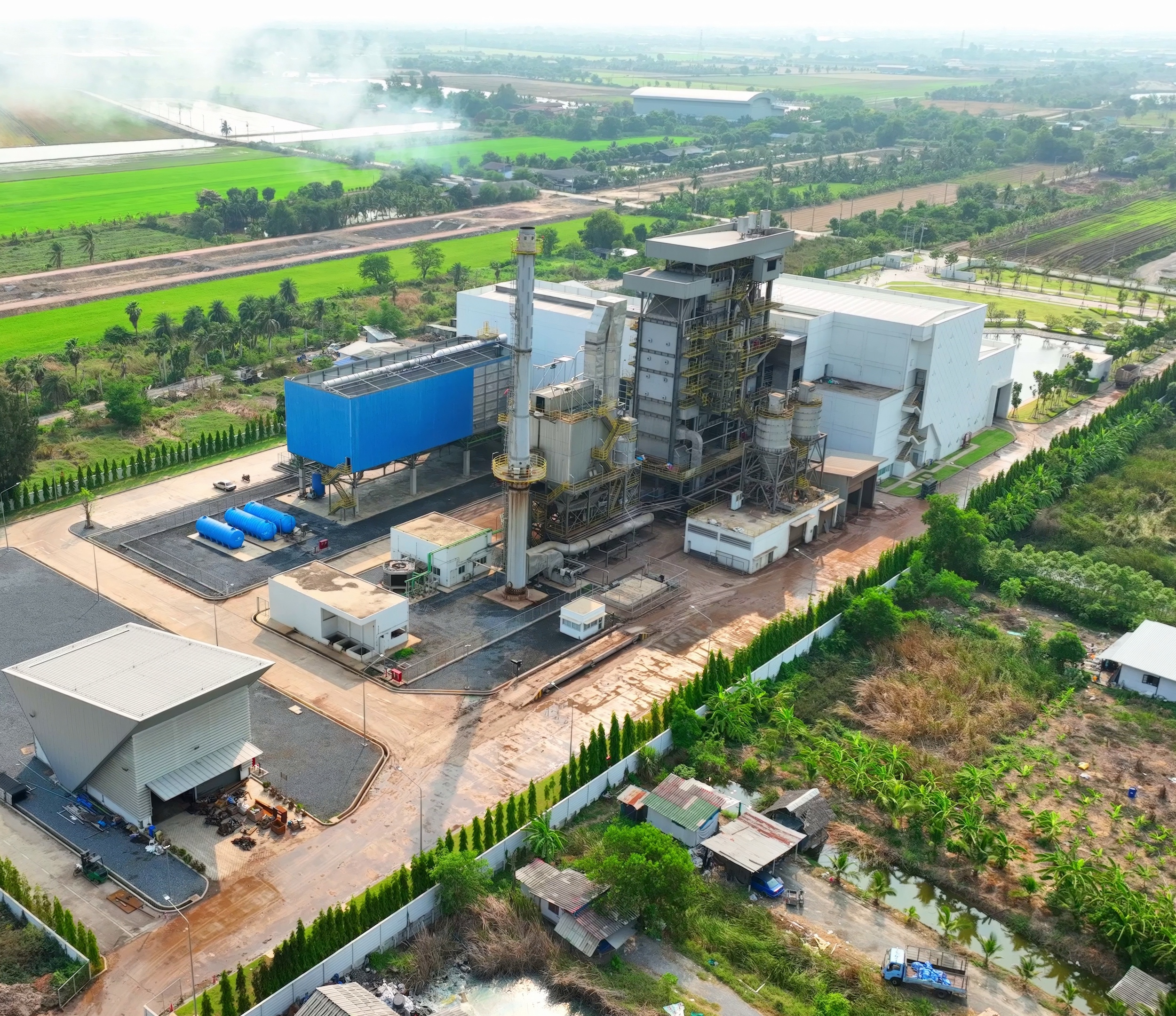
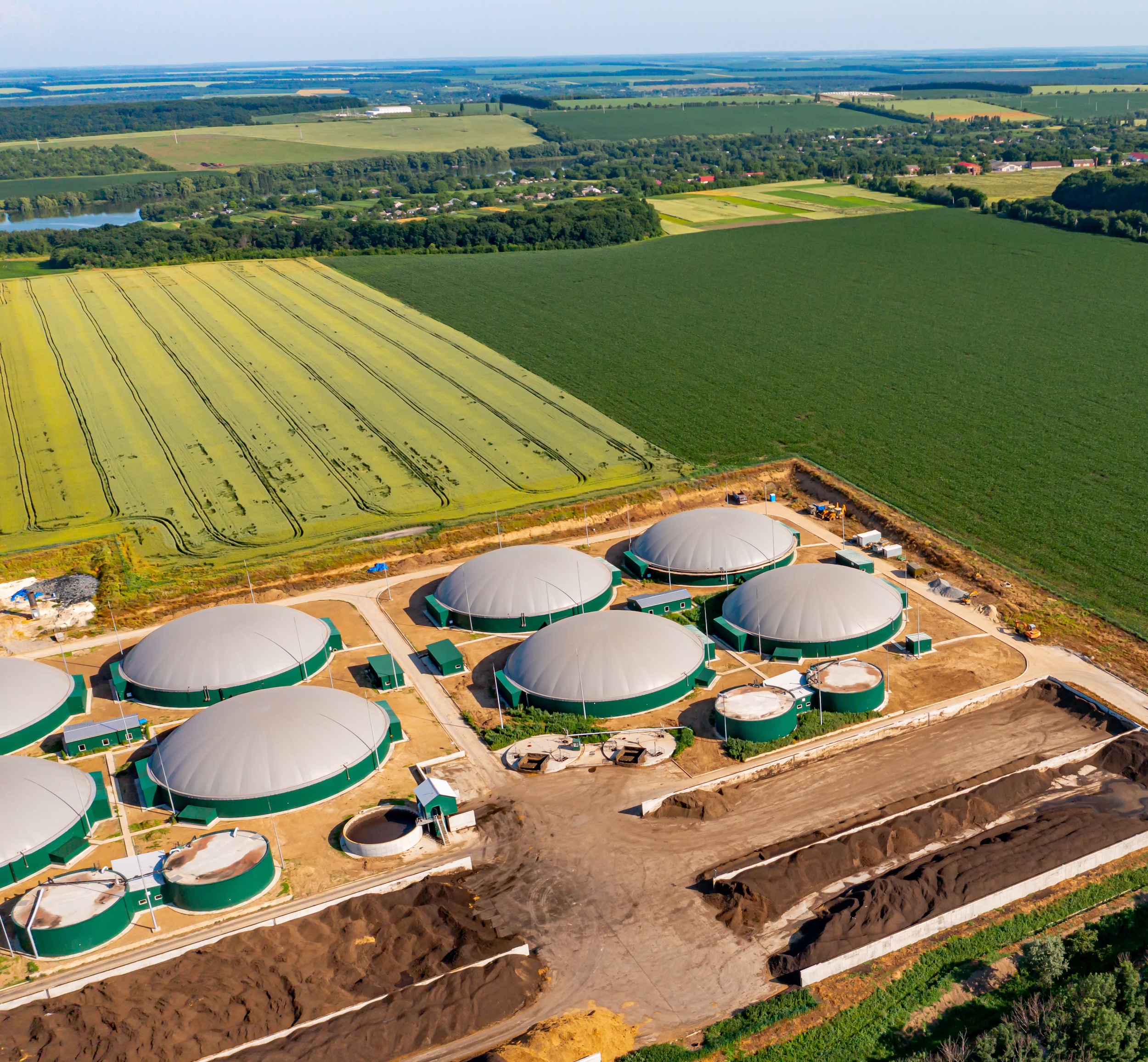
MOB proceeds fund high-integrity methane-reduction activities recognized under the ICMA Climate Transition Bond Guidelines.
Core Categories:

Why Investors Buy MOB
Returns linked to real methane reductions valued at transparent ETS allowance prices.
Engineering-grade measurement and third-party verification reduce methodology and reporting risk.
Avoids the volatility, fragmentation, and credibility issues of voluntary carbon markets.
Base bond remains plain-vanilla debt suitable for fixed-income mandates and prudential frameworks.
Performance incentives are positive-only, avoiding SLB-style asymmetry.
Why Issuers Use MOB
Methane and flaring abatement often generate cost savings through reduced product loss and lower ETS-allowance requirements.
Verified reductions improve credibility with regulators, investors, and rating agencies.
Supports compliance with ICMA transition-finance standards and emerging methane regulations.
Upside-only design avoids the credit-risk issues found in SLBs.
Standard bond format fits within existing debt programs and treasury operations.
Global MOB Market Opportunity
A Large, Underfinanced Transition-Capital Segment
The Scale
• US$ 140–180 billion annual global methane-abatement requirement
• US$ 90–120 billion CTBG-eligible subset (oil & gas methane + flaring)
• Represents one of the largest near-term transition-finance categories in the energy system
The Gap
• Only US$ 8–12 billion currently financed each year
• Leaves ~90% of required capital unmet despite strong economics
• Creates a multi-decade issuance pipeline for standardized transition instruments
Why MOB Fits
• Outcome-contingent structure channels capital into measurable, high-ROI reductions
• Transparent ETS pricing supports institutional modeling, valuation, and hedging
• Enables sovereigns, NOCs, and corporates to finance methane at scale through familiar bond formats
Global Rules Accelerating Methane-Focused Capital Deployment

• EU Methane Regulation (2025–2030): Requires imported oil & gas to meet strict MRV and methane-intensity standards.
• EU ETS Expansion (2026): Methane included for maritime transport; increases compliance cost for high-emitting operations.
• U.S. & Canada Methane Rules: New methane-fee structures, monitoring requirements, and upstream reporting obligations.
• California/WCI Cap-and-Trade: Methane-related emissions priced through allowance obligations for fuel suppliers.


• OGMP 2.0: Sets the benchmark for methane measurement and disclosure used by major producers.
• IFRS S2: Strengthens climate-risk reporting and demands higher-quality emissions data.
These regulations create immediate capital-deployment needs, elevate MRV standards, and increase the financial cost of inaction, making MOB a compliant, market-ready financing channel.
Entoro brings a full capital-markets consortium to every transition-finance transaction, integrating investment banking, advisory, transfer-agency, ratings, registry capabilities, and a commodity pool operator (CPO) into a single platform. Through Entoro, Capturiant, Clear Rating, our distribution partners, and our internal structuring team, issuers gain a complete, end-to-end solution for natural-capital finance. Whether structuring NCS, outcome-linked instruments, or MOB, we deliver the full ecosystem required to execute with confidence.






.png)

